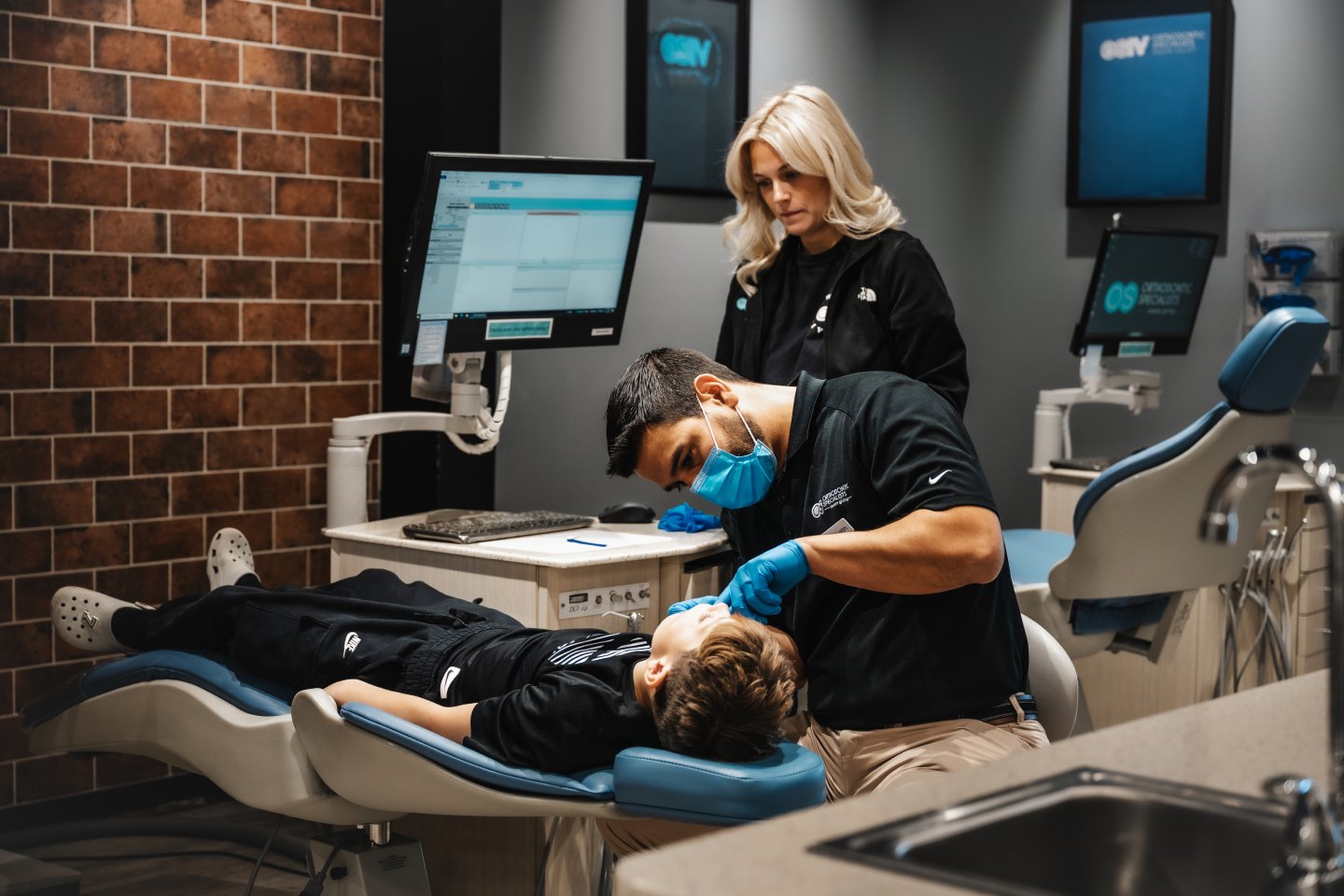
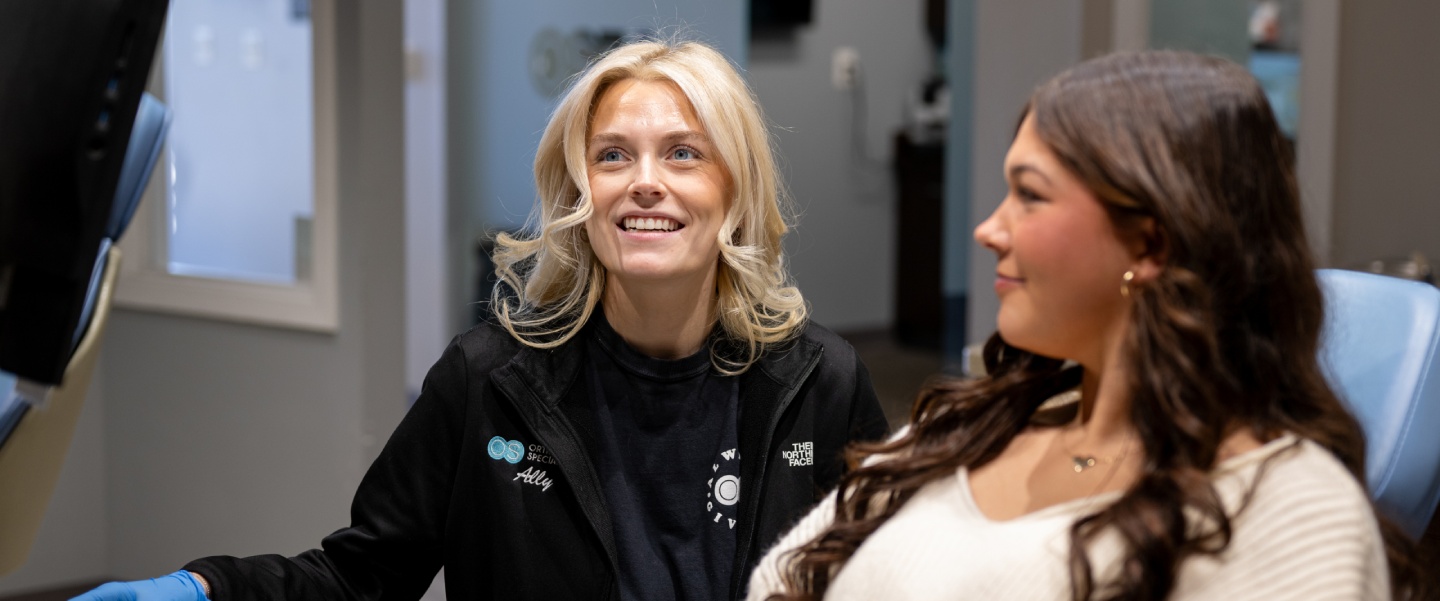
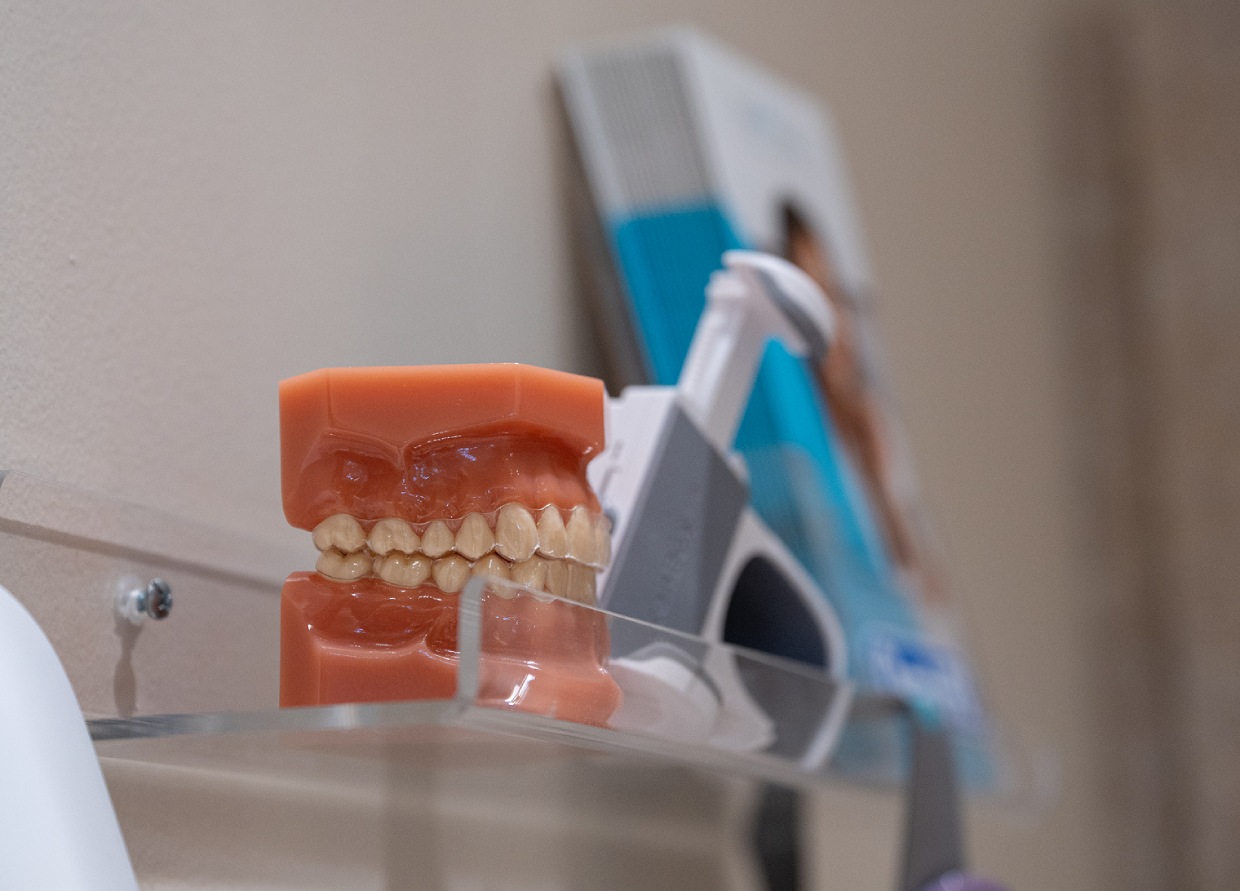
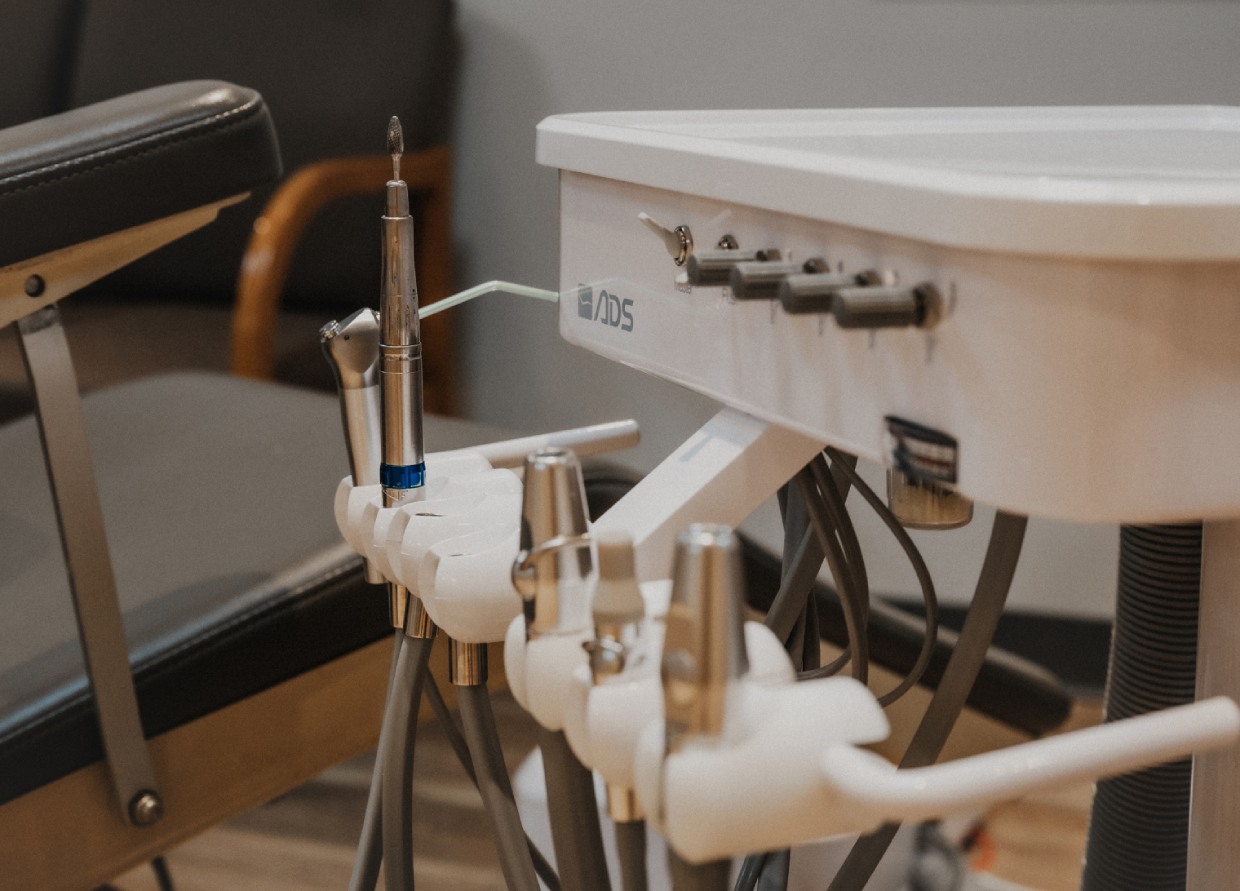
Our doctors and dedicated team are passionate about creating exceptional experiences where patients enjoy great oral health and overall well-being.
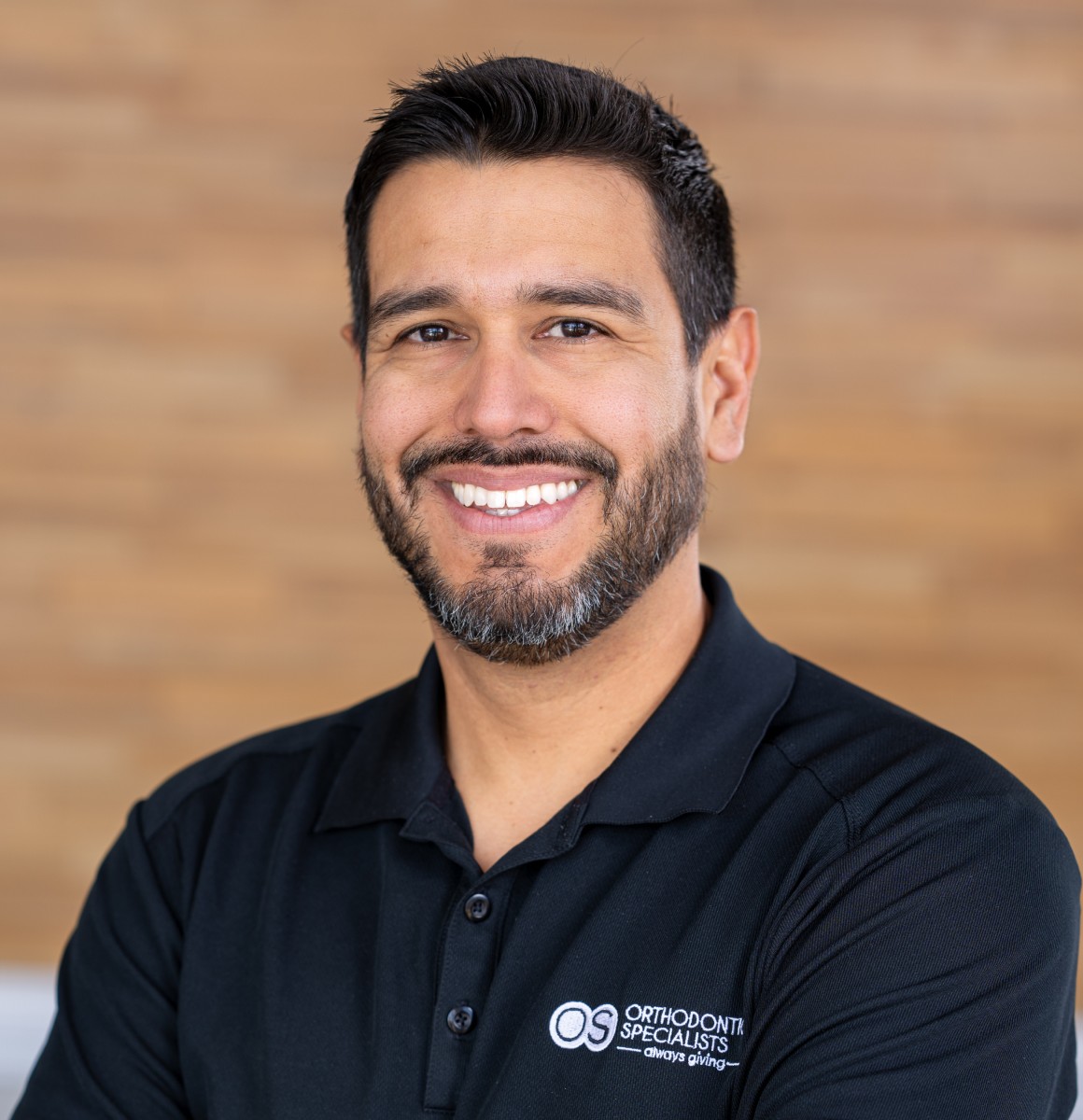
Dr. Justin Silvestre DMD
Dr. Silvestre, a passionate and board-certified orthodontist, combines his love for creating beautiful, functional smiles with a dedication to his community, both in and out of the office, while cherishing time with his wife and four children.
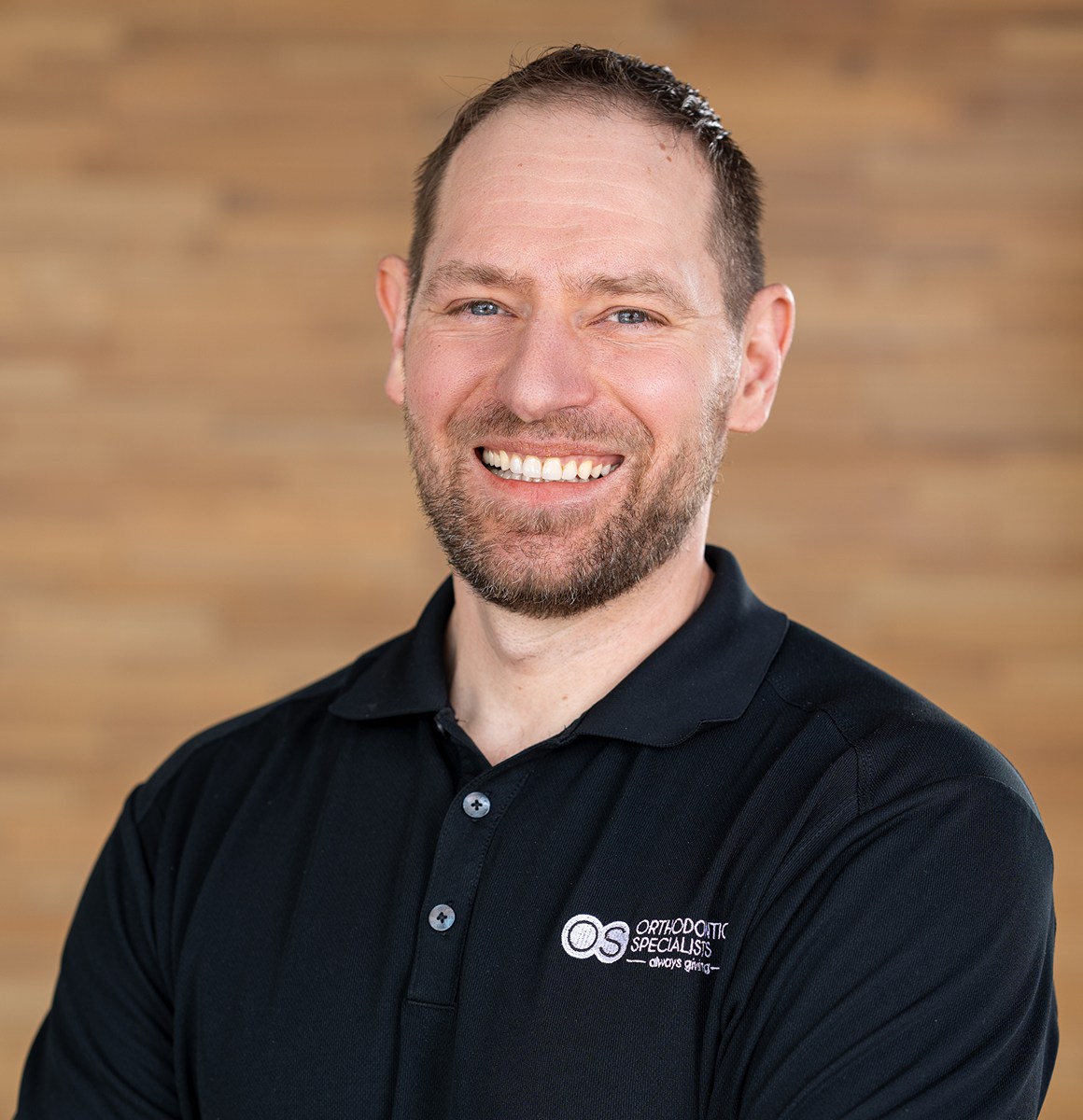
Dr. Gittleman, a dedicated orthodontist with a background in leadership and military service, combines his commitment to excellence with a welcoming, empathetic approach, white bringing humor and warmth to every patient interaction.
Our modern orthodontic options, including aligners and braces, cater to the unique needs of teenagers, boosting their confidence with a beautiful smile.
jaw, tooth, patient, align technology, retainer, orthodontics, board certification, clear aligners, dental degree, gums, metal, orthodontic headgear, tooth decay, palatal expansion, oral hygiene, malocclusion, wire, surgery, occlusion, mouth, ceramic, disease, american association of orthodontists, upper west side, upper east side, confidence, new york city, orthodontist appointment, hall orthodontics, orthodontist, exam, pleasure, crossbite, physician, american board of orthodontics, accessibility, molar, therapy, plastic, angle, hygiene, dental public health, arch, midtown manhattan, chewing, anatomy, bracket, brush, oral exam, palate, plastic surgery, smile braces, family braces, allen orthodontics, pediatric dentistry and orthodontics, medicaid orthodontist, orthodontist medicaid, williams orthodontics, coastal orthodontics, my orthodontist, the orthodontist, orthodontic emergencies, orthodontist do, pride, tooth whitening, mandible, injury, tissue, desk, maxilla
Frequently Asked Questions
Can orthodontist perform surgery?
Orthodontists are primarily focused on correcting misaligned teeth and jaws using non-surgical treatments such as braces, clear aligners, and retainers. They do not typically perform surgical procedures but may work closely with oral surgeons for more complex cases.
Are all orthodontists dentists?
All orthodontists are dentists, but not all dentists are orthodontists. Orthodontists are specialists who have completed additional training in the diagnosis, prevention, and treatment of dental and facial irregularities.
Are orthodontists surgeons?
Orthodontists are not surgeons. They are dental specialists who focus on the diagnosis, prevention, and treatment of dental and facial irregularities, but they do not perform surgical procedures.
Are braces done by an orthodontist?
Yes, braces are typically done by an orthodontist, a dental specialist who has received additional training in the diagnosis, prevention, and treatment of dental and facial irregularities.
Do orthodontist do surgery?
Orthodontists primarily focus on correcting misaligned teeth and jaws through the use of braces, aligners, and other non-surgical orthodontic treatments. They do not typically perform surgical procedures, as their primary role is to guide the gradual movement of teeth into proper alignment.
Can orthodontic treatment be reversed?
Orthodontic treatment cannot be fully reversed, as the teeth and jaw have been modified during the treatment process. However, certain adjustments may be possible to address any changes that occur after the completion of treatment.
Do orthodontist accept medicaid?
Orthodontists may accept Medicaid, but it can vary by practice and location. Some orthodontists participate in Medicaid programs, while others do not. It's best to check with individual orthodontists to inquire about their Medicaid acceptance policies.
Can orthodontists speed up braces?
Orthodontists can utilize advanced techniques and technologies to potentially speed up the braces treatment process, reducing the overall time required to achieve the desired results.
How to become a orthodontic?
To become an orthodontist, one must complete a four-year undergraduate degree, followed by four years of dental school and two to three years of specialized orthodontic training.
Are orthodontist doctors?
Orthodontists are doctors who specialize in the diagnosis, prevention, and treatment of dental and facial irregularities. They are trained as dentists and then complete additional specialized education in orthodontics.
Are all orthodontists doctors?
All orthodontists are doctors. Orthodontists are specialists in dentistry who have completed additional years of education and training to become experts in the diagnosis, prevention, and treatment of dental and facial irregularities.
Can orthodontists practice general dentistry?
Orthodontists typically focus on the diagnosis, prevention, and treatment of dental and facial irregularities, while general dentists provide comprehensive oral healthcare services. However, some orthodontists may have additional training to practice general dentistry as well.
What procedures can orthodontists perform?
Orthodontists can perform a variety of procedures to improve the alignment and appearance of teeth, including braces, clear aligners, retainers, early interceptive treatment, and teeth whitening.
Do orthodontists offer emergency services?
Orthodontists often provide emergency services to address urgent orthodontic issues, such as broken or loose appliances, to ensure patients' comfort and timely treatment.
How long does orthodontic treatment last?
The duration of orthodontic treatment varies, typically ranging from 12 to 36 months, depending on the complexity of the case, the patient's age, and the type of treatment required.
What types of braces do orthodontists use?
Orthodontists use various types of braces, including traditional metal braces, clear or ceramic braces, and clear aligners like Invisalign, to straighten teeth and improve dental alignment.
Are orthodontists trained in surgery?
Orthodontists are not primarily trained in surgery. Their main focus is on the alignment and positioning of teeth and jaws using non-surgical orthodontic treatments such as braces, clear aligners, and other appliances.
Can orthodontists treat jaw alignment issues?
Yes, orthodontists can treat jaw alignment issues. They use various orthodontic treatments, such as braces, aligners, and other devices, to correct misaligned jaws and improve overall dental health and function.
What financing options are available for braces?
We offer flexible financing options for braces, including low monthly payment plans, to make orthodontic treatment accessible and affordable for patients.
How often should I visit my orthodontist?
Visits to your orthodontist during treatment typically occur every 4-8 weeks to monitor progress, make adjustments, and ensure the treatment is on track.
Can adults receive orthodontic treatment?
Yes, adults can receive orthodontic treatment. Orthodontic care is not limited to children and teenagers, and many adults choose to undergo orthodontic treatment to correct misaligned teeth or jaws, improve their bite, and enhance the appearance of their smile.
What to expect during my first orthodontic visit?
During your first orthodontic visit, you can expect a comprehensive evaluation to assess your oral health and discuss personalized treatment options. The orthodontist will examine your teeth, take X-rays, and provide recommendations for achieving your desired smile.
How do orthodontists manage dental pain?
Orthodontists manage dental pain by using techniques such as adjusting braces, providing pain medication, and recommending soft foods to reduce discomfort during orthodontic treatment.
Are retainers necessary after braces removal?
Retainers are necessary after braces removal to maintain the corrected position of the teeth and prevent them from shifting back to their original positions.
Can orthodontic treatments impact my speech?
Orthodontic treatments can potentially impact speech, as the devices used may temporarily affect the positioning and movement of the teeth and jaws. However, this impact is usually temporary, and speech typically returns to normal as the patient adjusts to the treatment.
What age should children see an orthodontist?
Children should see an orthodontist around the age of 7 to 8 years old for an initial evaluation. This allows the orthodontist to identify any potential issues and develop a treatment plan if necessary.
How are clear aligners different from braces?
Clear aligners are different from braces in that they are made of clear, removable plastic trays that gently shift teeth over time, while braces use metal brackets and wires that are fixed to the teeth.
Will orthodontic treatment affect my daily routine?
Orthodontic treatment may require some adjustments to your daily routine, such as scheduling appointments, practicing good oral hygiene, and being mindful of dietary restrictions. However, with proper planning and communication with your orthodontist, the impact on your daily routine can be minimized.
Can orthodontists work with other dental specialists?
Orthodontists can collaborate with other dental specialists, such as general dentists, periodontists, and oral surgeons, to provide comprehensive dental care for patients and achieve the best possible outcomes.
How to maintain oral hygiene with braces?
Maintaining good oral hygiene with braces requires regular brushing, flossing, and using interdental cleaners to remove food particles and plaque buildup around the brackets and wires. It's also important to use a fluoride toothpaste and mouthwash to prevent cavities and gum disease.
orthodontist expert, orthodontist specialist near me, orthodontic specialists, orthodontic specialist, orthodontist near me, osiv, orthodontic specialists souderton, souderton orthodontist, indian valley orthodontics, invisalign, orthodontist souderton, doylestown orthodontist, best orthodontist near me
jaw, tooth, patient, align technology, retainer, orthodontics, board certification, clear aligners, dental degree, gums, metal, orthodontic headgear, tooth decay, palatal expansion, oral hygiene, malocclusion, wire, surgery, occlusion, mouth, ceramic, disease, american association of orthodontists, upper west side, upper east side, confidence, new york city, orthodontist appointment, hall orthodontics, orthodontist, exam, pleasure, crossbite, physician, american board of orthodontics, accessibility, molar, therapy, plastic, angle, hygiene, dental public health, arch, midtown manhattan, chewing, anatomy, bracket, brush, oral exam, palate, plastic surgery, smile braces, family braces, allen orthodontics, pediatric dentistry and orthodontics, medicaid orthodontist, orthodontist medicaid, williams orthodontics, coastal orthodontics, my orthodontist, the orthodontist, orthodontic emergencies, orthodontist do, pride, tooth whitening, mandible, injury, tissue, desk, maxilla
Frequently Asked Questions
Can orthodontist perform surgery?
Orthodontists are primarily focused on correcting misaligned teeth and jaws using non-surgical treatments such as braces, clear aligners, and retainers. They do not typically perform surgical procedures but may work closely with oral surgeons for more complex cases.
Are all orthodontists dentists?
All orthodontists are dentists, but not all dentists are orthodontists. Orthodontists are specialists who have completed additional training in the diagnosis, prevention, and treatment of dental and facial irregularities.
Are orthodontists surgeons?
Orthodontists are not surgeons. They are dental specialists who focus on the diagnosis, prevention, and treatment of dental and facial irregularities, but they do not perform surgical procedures.
Are braces done by an orthodontist?
Yes, braces are typically done by an orthodontist, a dental specialist who has received additional training in the diagnosis, prevention, and treatment of dental and facial irregularities.
Do orthodontist do surgery?
Orthodontists primarily focus on correcting misaligned teeth and jaws through the use of braces, aligners, and other non-surgical orthodontic treatments. They do not typically perform surgical procedures, as their primary role is to guide the gradual movement of teeth into proper alignment.
Can orthodontic treatment be reversed?
Orthodontic treatment cannot be fully reversed, as the teeth and jaw have been modified during the treatment process. However, certain adjustments may be possible to address any changes that occur after the completion of treatment.
Do orthodontist accept medicaid?
Orthodontists may accept Medicaid, but it can vary by practice and location. Some orthodontists participate in Medicaid programs, while others do not. It's best to check with individual orthodontists to inquire about their Medicaid acceptance policies.
Can orthodontists speed up braces?
Orthodontists can utilize advanced techniques and technologies to potentially speed up the braces treatment process, reducing the overall time required to achieve the desired results.
How to become a orthodontic?
To become an orthodontist, one must complete a four-year undergraduate degree, followed by four years of dental school and two to three years of specialized orthodontic training.
Are orthodontist doctors?
Orthodontists are doctors who specialize in the diagnosis, prevention, and treatment of dental and facial irregularities. They are trained as dentists and then complete additional specialized education in orthodontics.
Are all orthodontists doctors?
All orthodontists are doctors. Orthodontists are specialists in dentistry who have completed additional years of education and training to become experts in the diagnosis, prevention, and treatment of dental and facial irregularities.
Can orthodontists practice general dentistry?
Orthodontists typically focus on the diagnosis, prevention, and treatment of dental and facial irregularities, while general dentists provide comprehensive oral healthcare services. However, some orthodontists may have additional training to practice general dentistry as well.
What procedures can orthodontists perform?
Orthodontists can perform a variety of procedures to improve the alignment and appearance of teeth, including braces, clear aligners, retainers, early interceptive treatment, and teeth whitening.
Do orthodontists offer emergency services?
Orthodontists often provide emergency services to address urgent orthodontic issues, such as broken or loose appliances, to ensure patients' comfort and timely treatment.
How long does orthodontic treatment last?
The duration of orthodontic treatment varies, typically ranging from 12 to 36 months, depending on the complexity of the case, the patient's age, and the type of treatment required.
What types of braces do orthodontists use?
Orthodontists use various types of braces, including traditional metal braces, clear or ceramic braces, and clear aligners like Invisalign, to straighten teeth and improve dental alignment.
Are orthodontists trained in surgery?
Orthodontists are not primarily trained in surgery. Their main focus is on the alignment and positioning of teeth and jaws using non-surgical orthodontic treatments such as braces, clear aligners, and other appliances.
Can orthodontists treat jaw alignment issues?
Yes, orthodontists can treat jaw alignment issues. They use various orthodontic treatments, such as braces, aligners, and other devices, to correct misaligned jaws and improve overall dental health and function.
What financing options are available for braces?
We offer flexible financing options for braces, including low monthly payment plans, to make orthodontic treatment accessible and affordable for patients.
How often should I visit my orthodontist?
Visits to your orthodontist during treatment typically occur every 4-8 weeks to monitor progress, make adjustments, and ensure the treatment is on track.
Can adults receive orthodontic treatment?
Yes, adults can receive orthodontic treatment. Orthodontic care is not limited to children and teenagers, and many adults choose to undergo orthodontic treatment to correct misaligned teeth or jaws, improve their bite, and enhance the appearance of their smile.
What to expect during my first orthodontic visit?
During your first orthodontic visit, you can expect a comprehensive evaluation to assess your oral health and discuss personalized treatment options. The orthodontist will examine your teeth, take X-rays, and provide recommendations for achieving your desired smile.
How do orthodontists manage dental pain?
Orthodontists manage dental pain by using techniques such as adjusting braces, providing pain medication, and recommending soft foods to reduce discomfort during orthodontic treatment.
Are retainers necessary after braces removal?
Retainers are necessary after braces removal to maintain the corrected position of the teeth and prevent them from shifting back to their original positions.
Can orthodontic treatments impact my speech?
Orthodontic treatments can potentially impact speech, as the devices used may temporarily affect the positioning and movement of the teeth and jaws. However, this impact is usually temporary, and speech typically returns to normal as the patient adjusts to the treatment.
What age should children see an orthodontist?
Children should see an orthodontist around the age of 7 to 8 years old for an initial evaluation. This allows the orthodontist to identify any potential issues and develop a treatment plan if necessary.
How are clear aligners different from braces?
Clear aligners are different from braces in that they are made of clear, removable plastic trays that gently shift teeth over time, while braces use metal brackets and wires that are fixed to the teeth.
Will orthodontic treatment affect my daily routine?
Orthodontic treatment may require some adjustments to your daily routine, such as scheduling appointments, practicing good oral hygiene, and being mindful of dietary restrictions. However, with proper planning and communication with your orthodontist, the impact on your daily routine can be minimized.
Can orthodontists work with other dental specialists?
Orthodontists can collaborate with other dental specialists, such as general dentists, periodontists, and oral surgeons, to provide comprehensive dental care for patients and achieve the best possible outcomes.
How to maintain oral hygiene with braces?
Maintaining good oral hygiene with braces requires regular brushing, flossing, and using interdental cleaners to remove food particles and plaque buildup around the brackets and wires. It's also important to use a fluoride toothpaste and mouthwash to prevent cavities and gum disease.
orthodontist expert, orthodontist specialist near me, orthodontic specialists, orthodontic specialist, orthodontist near me, osiv, orthodontic specialists souderton, souderton orthodontist, indian valley orthodontics, invisalign, orthodontist souderton, doylestown orthodontist, best orthodontist near me